Menu

As brands build their 2026 eCommerce and omnichannel strategies, one truth is becoming impossible to ignore: growth is achievable — but only for organizations designed to win in a world where omnichannel is part of their DNA.
That theme came through clearly in the Profitero+ 2025 eCommerce Organizational Study, and in our accompanying webinar featuring Mike Black (Chief Growth Officer, Profitero+) Jamie Dooley (VP, Global Strategic Advisory, Profitero+), Laura Briggs (Head of eCommerce Excellence, Philips), and Ashley Becker (VP, Global eCommerce Capabilities, Kraft Heinz). Together, they unpacked what separates high-performing brands from the rest — and how organizations can Design for Integration, Nurture Partnerships and Activate with Intelligence to accelerate growth.
This blog explores the five key questions every eCommerce, digital shelf and omnichannel leader should be asking right now — and what the study and panelist revealed about how winning organizations structure teams, build capabilities and accelerate omnichannel performance.
Across industries, a clear shift is happening: leaders prioritize integration.
It isn’t just about reorganizing — it’s about ensuring people, data, and decisions move together.
What truly defines integrated organizations is not the org chart, but the behaviors behind it:
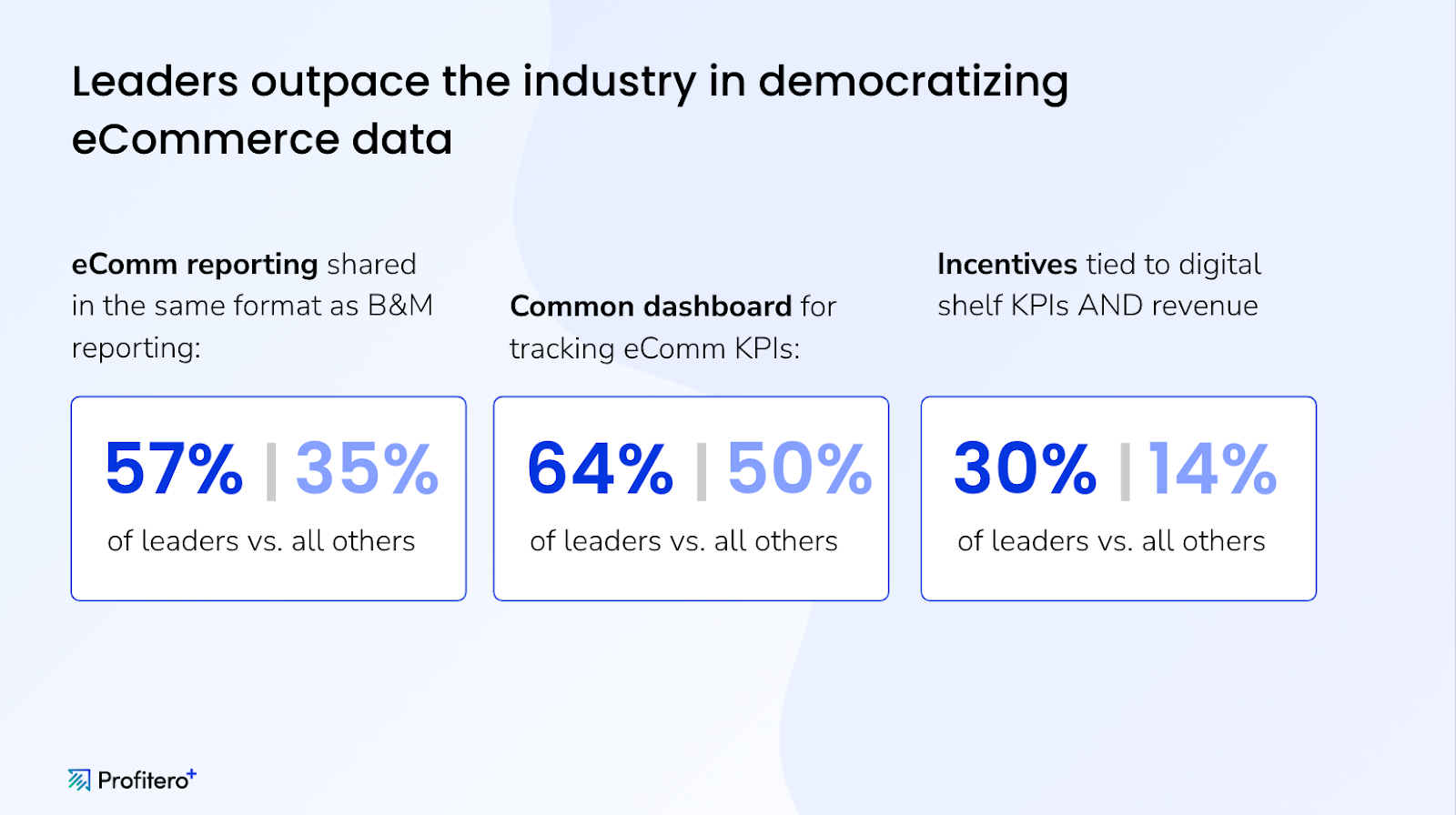
Why it matters:
When everyone operates from the same goals and data, organizations move faster, reduce friction, and scale the digital capabilities needed for omnichannel success.

Category management is evolving from a focus on PDP optimization to ownership of the entire category experience — online and offline. Leading organizations invest in:
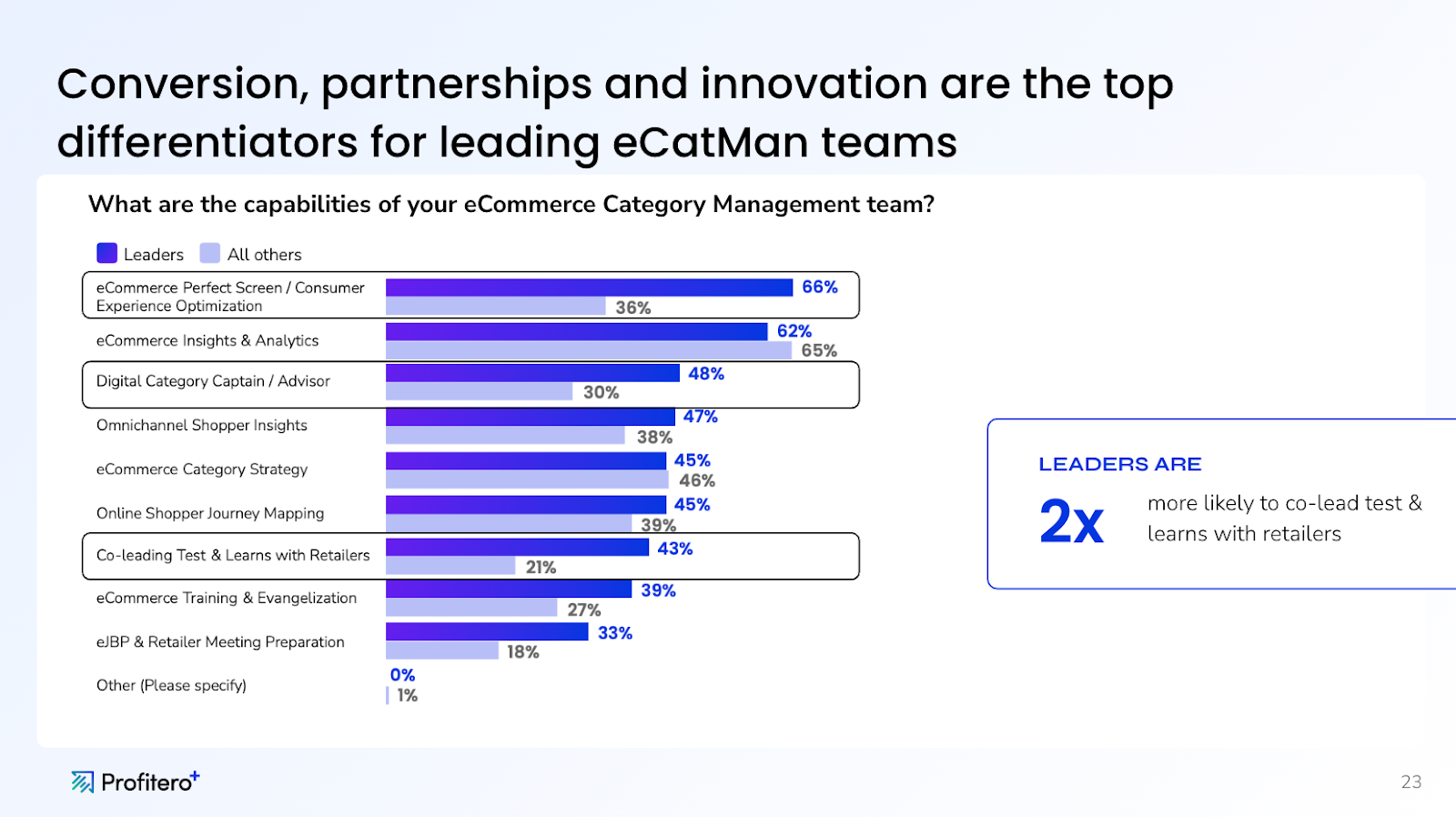
Why it matters:
As discovery and purchase behavior shift — including through AI-powered search — category management becomes a strategic growth engine, not a support role. Leaders treat it as a competitive differentiator.
Retail media investment continues to expand, but retailer expectations are rising even faster. High-performing organizations stand out by creating flexible, data-driven approaches that allow them to shift budgets quickly based on performance.
They diversify investments across brand marketing, sales, shopper, trade, and self-funded growth — building agility into the system so dollars move where they matter most.
This enables brands to:
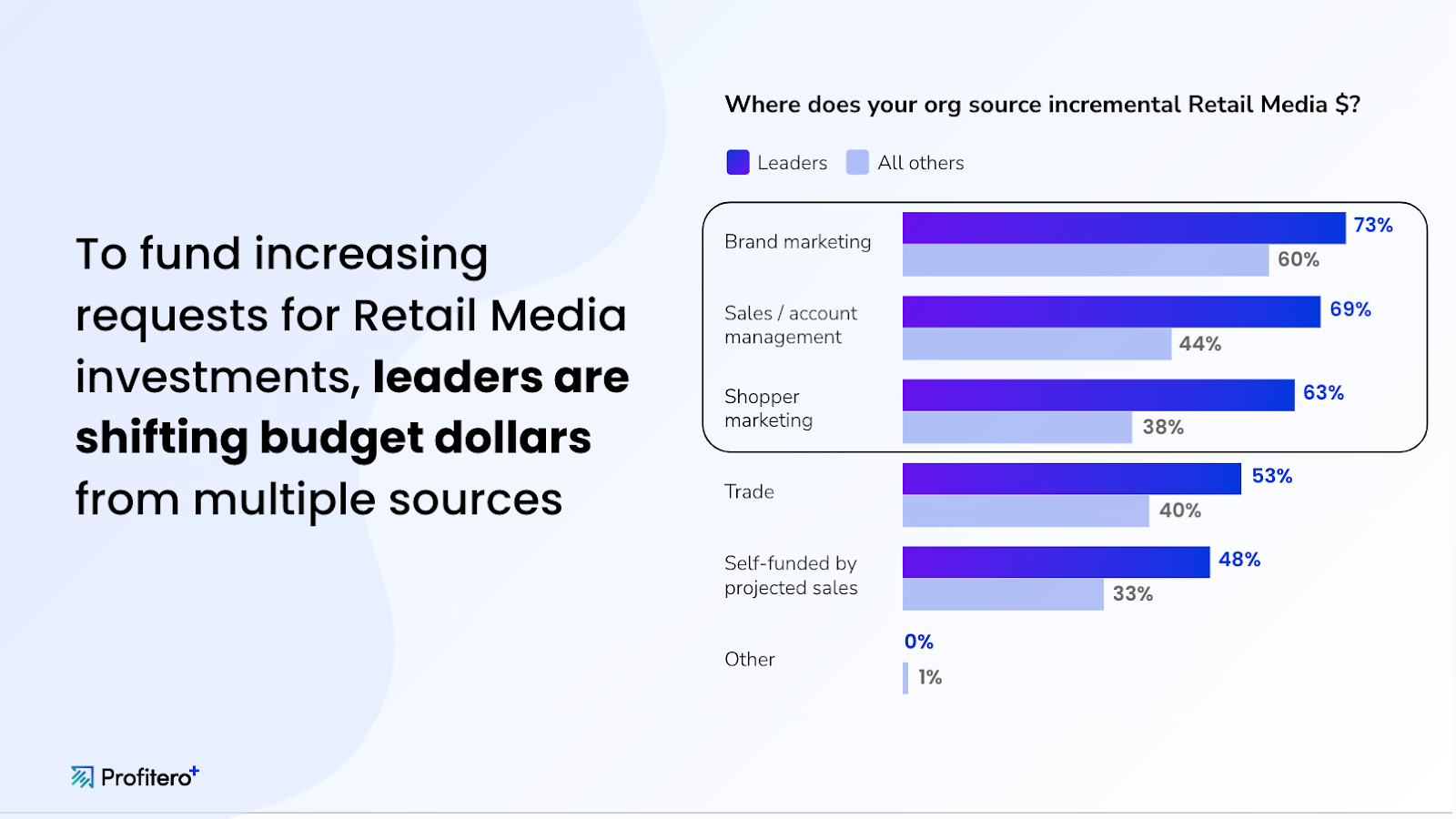
Why it matters:
A fluid retail media system ensures investments follow ROI, not retailer pressure.
“The days of ‘set it and forget it’ are over. You need clear plans, but also the flexibility to pivot based on performance.” — Ashley Becker, VP Global eCommerce Capabilities, Kraft Heinz
“Retail media brings incredible opportunity, but also complexity. The key is simplicity and alignment — paid visibility on the shelf is a must, and everything else needs to ladder up to your broader media strategy.” — Laura Briggs, Head of eCommerce Excellence, Philips
AI is reshaping digital commerce, though most organizations are still early in their maturity. Leaders are 3x more likely to have AI embedded into digital shelf operations at scale — and they stand out by focusing on use cases that drive measurable impact.
The biggest value areas include:
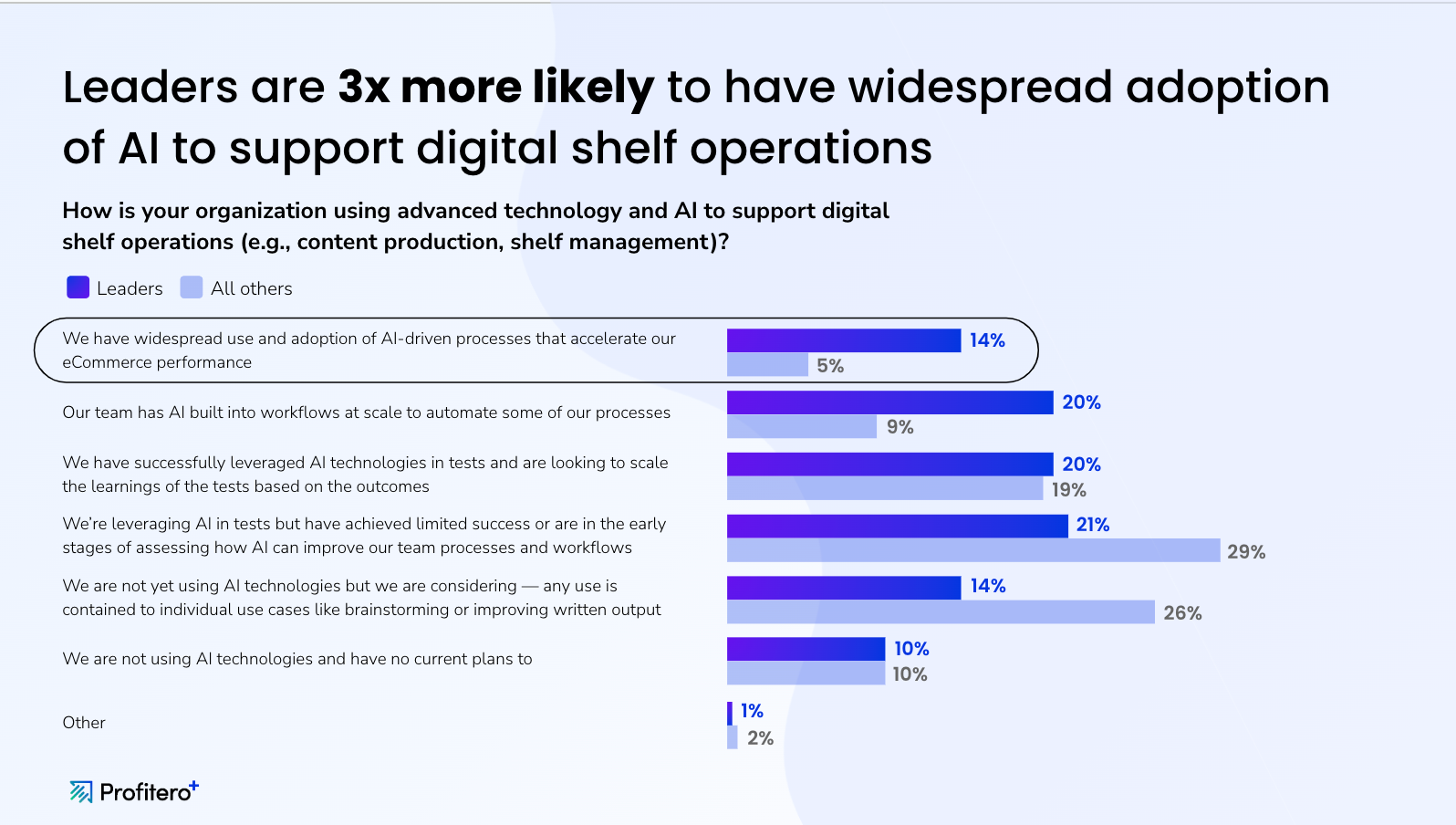
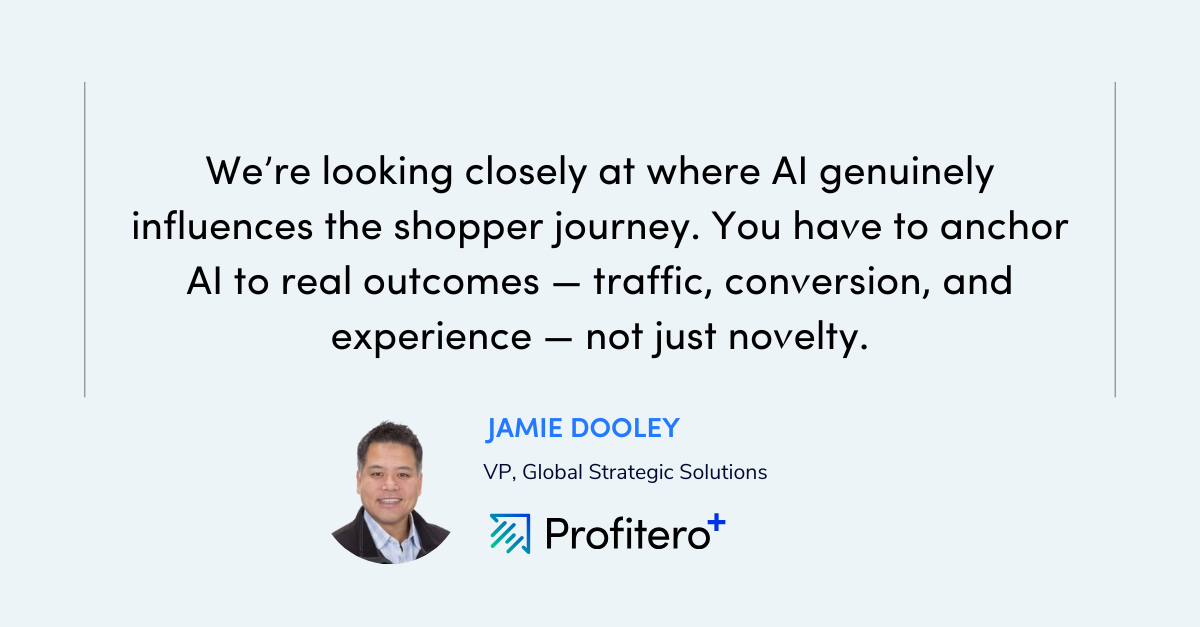
Consumer-facing AI experiences (e.g., ChatGPT search and retailer LLMs) are also gaining traction. Rather than chasing every opportunity, leaders stay focused on understanding where AI-driven discovery truly influences traffic and conversion — and treating AI as an extension of eCommerce fundamentals, not a replacement for them.
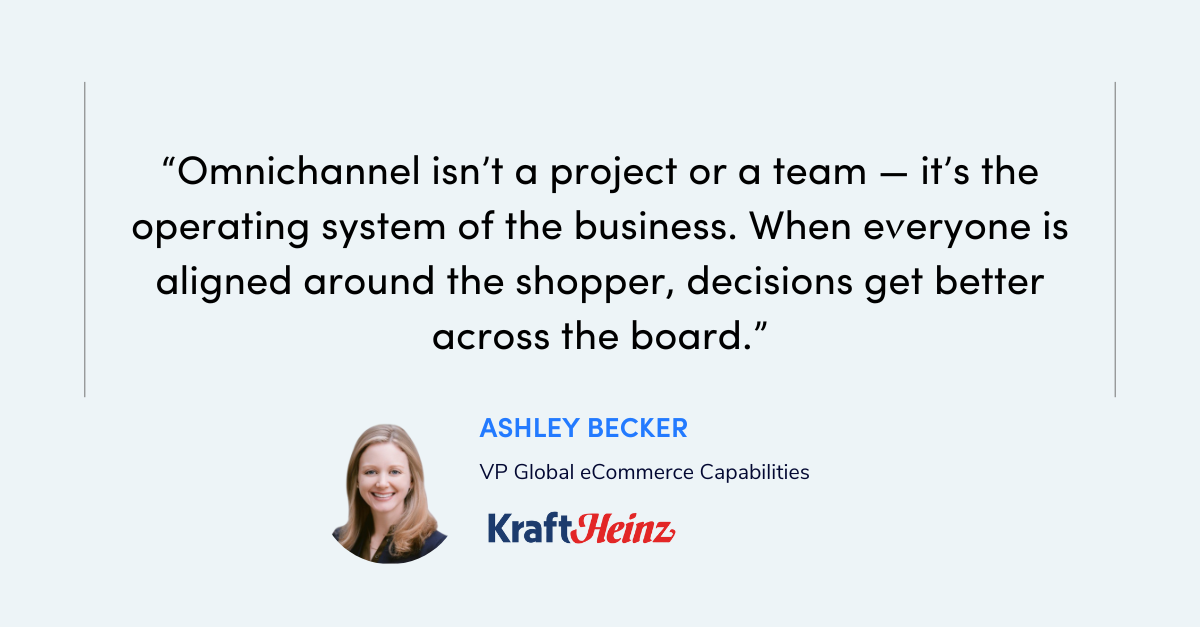
Our study shows that the most successful organizations don’t treat digital commerce as a standalone channel — they embed omnichannel thinking into their organizational DNA. These brands structure teams, collaborate with retailers, and activate across the shopper journey in deeply connected ways.
What sets leaders apart is not bigger budgets, but a DNA that makes integration, adaptability, and intelligence habitual. They anticipate change rather than react to it because omnichannel is embedded in how they operate every day.
The study introduces a simple “DNA” model that outlines how these organizations turn disruption into advantage.
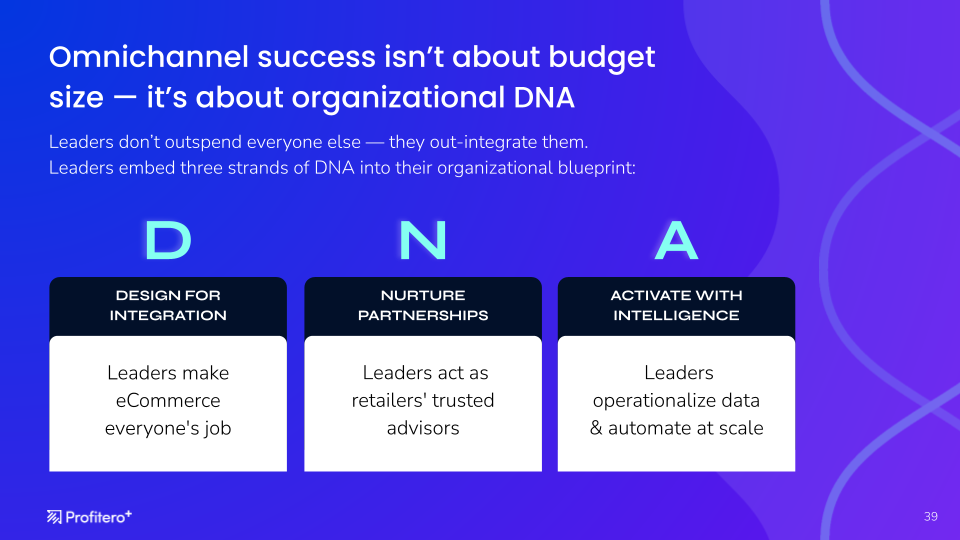
Download the 2025 eCommerce Organizational Benchmark Study to see the full framework, and watch the on-demand webinar to hear experts unpack the findings.
Across every vertical — CPG, Beauty, CE, Toys, Hardlines, Durables and AlcBev — the organizations outperforming today share the same traits:
✔ They integrate eCommerce into the business, not bolt it on
✔ They democratize data and align incentives
✔ They elevate category management into an omnichannel growth engine
✔ They activate retail media and AI with discipline
✔ They partner with retailers through insights, not requests
The brands that win the next era of commerce will be those who operationalize the DNA framework and build organizations capable of learning and adapting faster than the market.