Menu

As retail media investment grows, brands face an increasingly complex measurement landscape.Every Retail Media Network reports in its own dialect, so brands struggle to answer a simple question: across all my retailers, where did my next dollar earn the most? The fix is a common language in three layers: shared KPIs, shared shelf signals, and shared ownership between teams.
In IAB research, 69% of retail media buyers named buying complexity, including repeated per-network workflows and hard cross-network analytics, as a top challenge. The IAB/MRC Retail Media Measurement Guidelines released in early 2024 are a start, but adoption is uneven and they stop at the ad. Three gaps remain:
Translate every network's data into one dictionary before comparing anything. Rule of thumb: monitor within a network on ROAS; optimize toward CVR & incrementality signals; view across networks on iROAS and New to Brand.

Ad metrics differ by network, but the shelf works the same everywhere. That makes shelf data the one language every retailer already speaks. Analyze by day, week, and month so you can understand short- and longer-term trends.

A conversion dip is often a shelf problem before it's a media problem, so every signal needs an owner. For example, a common situation brands find themselves navigating in silos:
Your unified reporting should predict your next best action. Review weekly at a minimum, with performance and shelf conditions side by side, against thresholds everyone has agreed on.
Shelf Intelligent Media (SIM) pipes digital shelf signals from Profitero+ into the leading open ecosystem platforms: Skai, Pacvue, and DSPs like The Trade Desk through partnerships with Pubmatic & OpenX. This is so that availability, price, buy box, badges, and ratings directly influence media performance and can trigger bid and budget rules for search, and curate zip-code level targeting on programmatic campaigns. Multi-retailer programmatic methodology normalizes the data, enabling one zip code signal to be powered by Amazon, Walmart, Target, Kroger, and Sainsbury's. SIM does the heavy lifting for you:
Across over a dozen paid search use cases in consumer electronics, home care, and CPG, brands saw +57% ROAS, −25% CPC, −26% cost per acquisition, and +31% new-to-brand sales when SIM was automated as an optimization in their campaigns.
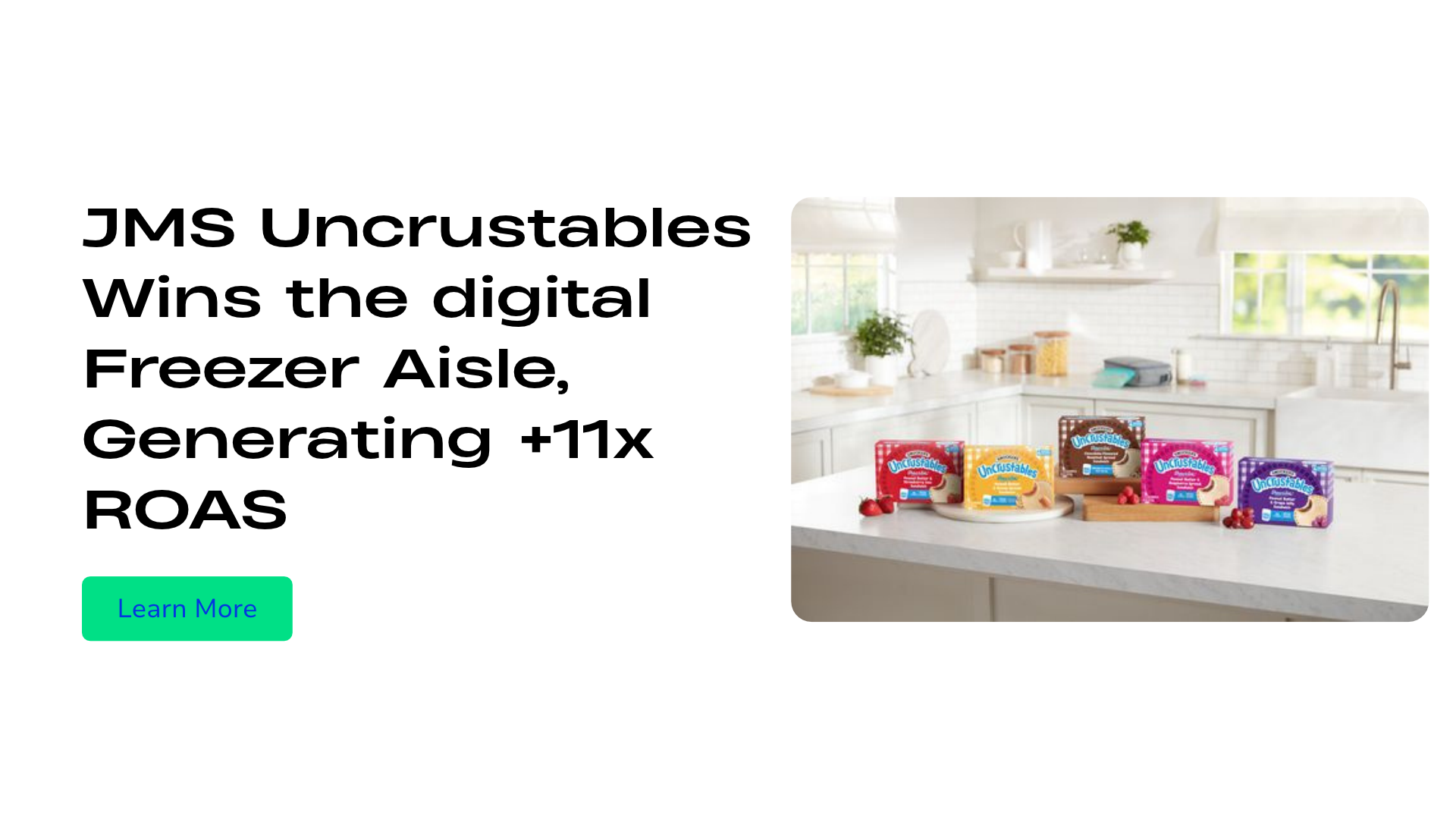

Across Connected TV, Online Display and Video, SIM for programmatic shows the same pattern across verticals: +40% new-to-brand sales in home care, +32% above ROAS benchmark for food and beverage launches, +211% ROAS in cold and flu during cold season, and 5.7x click-through rate for beverage-alcohol.
Speak with an expert on our team today. Request a meeting here.