Menu

Last spring, we hosted a Client User Advisory Board with 20 seasoned eCommerce practitioners globally—leaders responsible for driving digital growth at some of the world’s most recognizable brands. During a roundtable discussion on the future of search and agentic discovery, we asked a simple question:
“Who here actively owns and audits your Google Merchant Center feed content?”
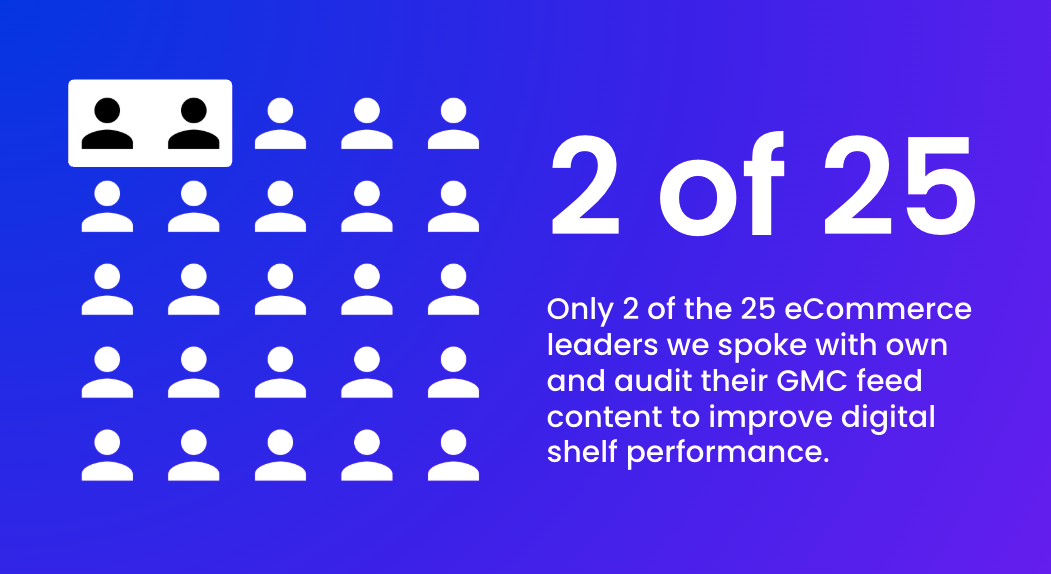
The room went quiet. Out of 25 digital shelf veterans, only two raised their hands.
The remaining 18 looked at each other with uncertainty. Most assumed it was "handled by media agencies,", “I think the brand team might own it?”, "somewhere in IT," or "just an ad ops thing."
In a world where brands spend millions optimizing PDP copy and chasing the latest generative AI capabilities, this lack of ownership represents one of the single biggest operational blind spots in modern digital commerce.
Google Merchant Center (GMC) feeds are no longer just the underlying utility for Google Shopping ads. Their attributes have quietly evolved into the primary canonical dataset—the digital product passport—that powers product discovery, citation, and commerce across the emerging horizontal AI ecosystem.
If you don't control your feed, you don't exist to the AI agents shaping the future of retail.
When consumers look for products today, they are increasingly skipping traditional, blue-link keyword search bars. Instead, they turn to horizontal AI engines—like Google’s Gemini, OpenAI’s ChatGPT, and AI-native shopping assistants being built directly into major retailer platforms.
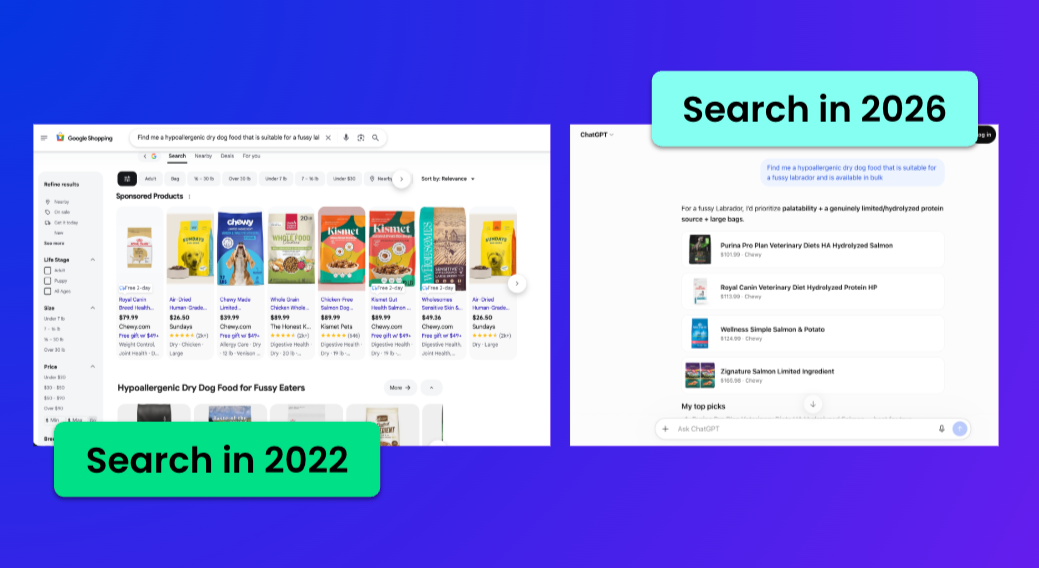
When a consumer prompts ChatGPT or Gemini with:
"Find me a hypoallergenic dry dog food that is suitable for a fussy labrador and is available in bulk”
Models don’t crawl web page HTML line-by-line. They rely heavily on structured, product feeds and database schemas to evaluate options, cite recommendations, and present structured buying choices.
If your GMC feed is missing GTINs, has vague category tagging, lacks spec-level attributes (materials, fit, compatibility), or suffers from latency in stock updates, horizontal AI agents won't just rank you lower—they will ignore you entirely.
To stop bleeding organic discovery to competitors whose feeds are cleaner, eCommerce leaders must treat the Google Merchant Feed as strategic brand assets rather than technical back-office maintenance.
Step 1: Figure Out Who Owns It Today
In our conversations with eCommerce professionals, GMC feed management is an organizational game of hot potato. Brand teams assume Tech owns it. Tech assumes Performance Marketing owns it. Performance Marketing treats it solely as a tool to run Shopping campaigns, passing execution to a third-party agency that only touches the bare-minimum required fields.
Step one is finding out where your feed actually lives, who updates it, and how often it is audited for accuracy.
Step 2: Establish Shared or Full Ownership
Once located, bring feed governance under the direct mandate of your e-commerce and digital shelf leadership. Whether you establish full ownership within digital ops or establish a shared responsibility model between Brand and IT, the feed must be treated as core brand collateral. You wouldn't let a media agency write your homepage brand story without oversight—don't let them passively manage the data feed that tells AI agents what your products actually are.
Step 3: Fix Your Content Gaps
Run a comprehensive content audit on your GMC and other structured product feeds. Go beyond basic titles and price points:
• Standardize GTINs & Identifiers: Missing or inaccurate GTINs disrupt brand verification across Gemini, ChatGPT, and retail platform bots.
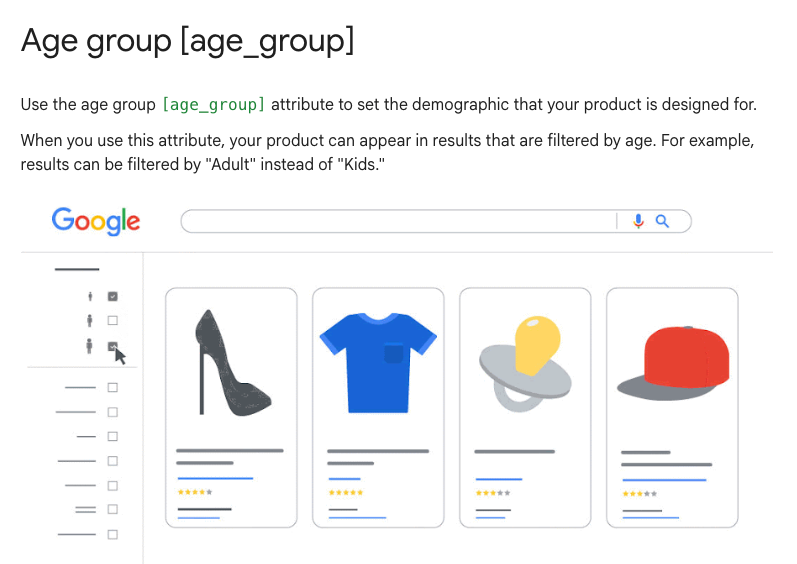
• Enrich Product Attributes: Populate granular fields—materials, dimensions, usage scenarios, target demographics, and functional benefits. AI agents need structured attributes to match conversational user intent.
• Synchronize Real-Time Stock & Pricing: Latency kills agentic sales. If an AI agent recommends a product that turns out to be out of stock, that agent learns to cite a reliable competitor instead.
The digital shelf is shifting from human-browsed pages to machine-evaluated datasets. The brands that win the next decade of digital commerce won't just be the ones with the best ads—they will be the ones whose product feeds are cleanest, richest, and most easily understood by AI models.
Take these three steps today: Find your feed, take ownership of it, and eliminate your content gaps. The future of your organic discovery depends on it.